
Break into fashion journalism with a reputable byline, not a lucky break
The Fashion Desk is the only school that teaches you the full craft — reporting, criticism, editing, digital storytelling, and AI tools — the way a senior editor would, with hands-on work that builds a real portfolio before you ever send your first pitch.
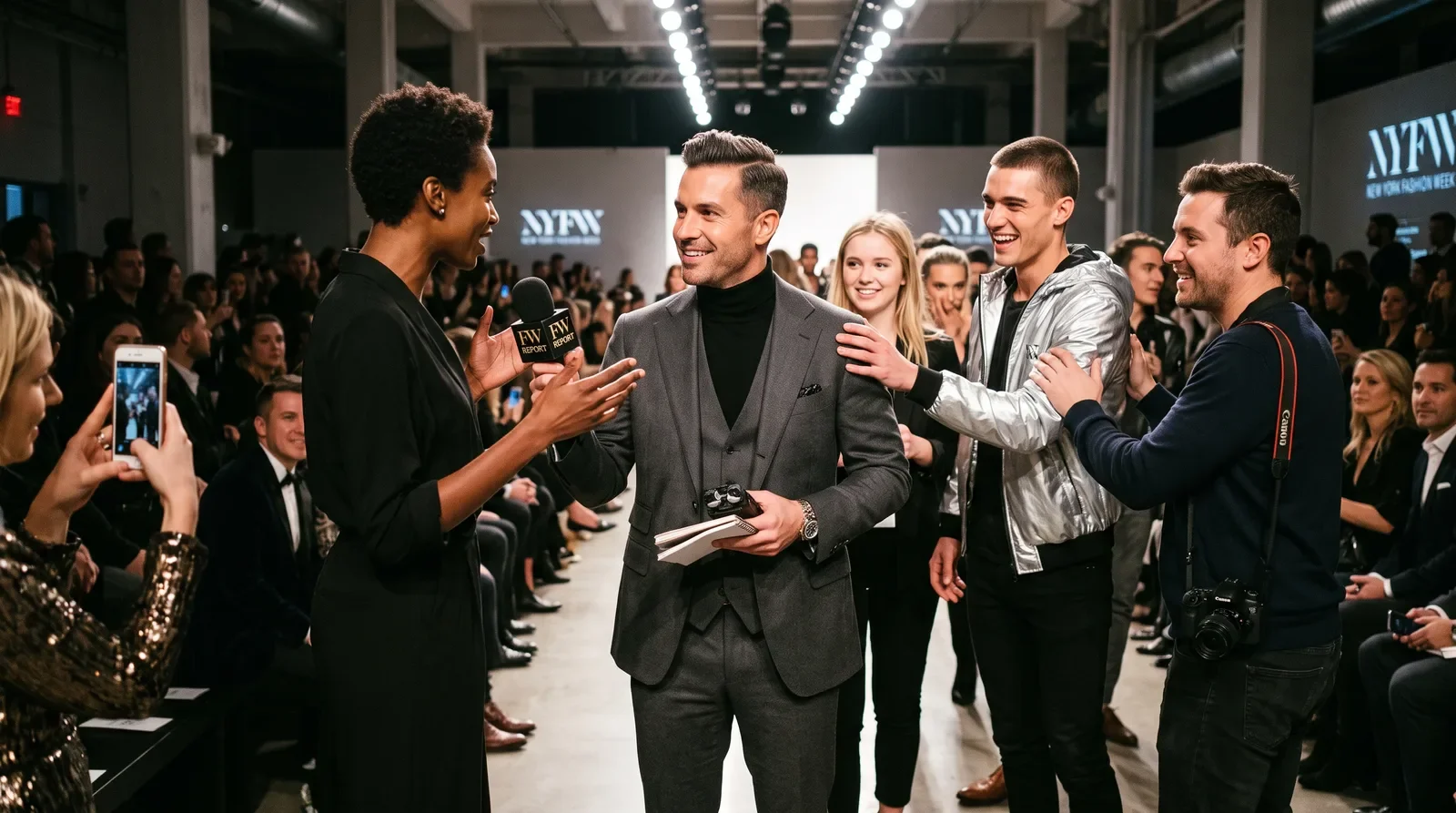
"I'll tell you exactly how this industry works and hold you to the standard it actually demands."
— Jennifer Xue, StyleCareer.com lead course developer
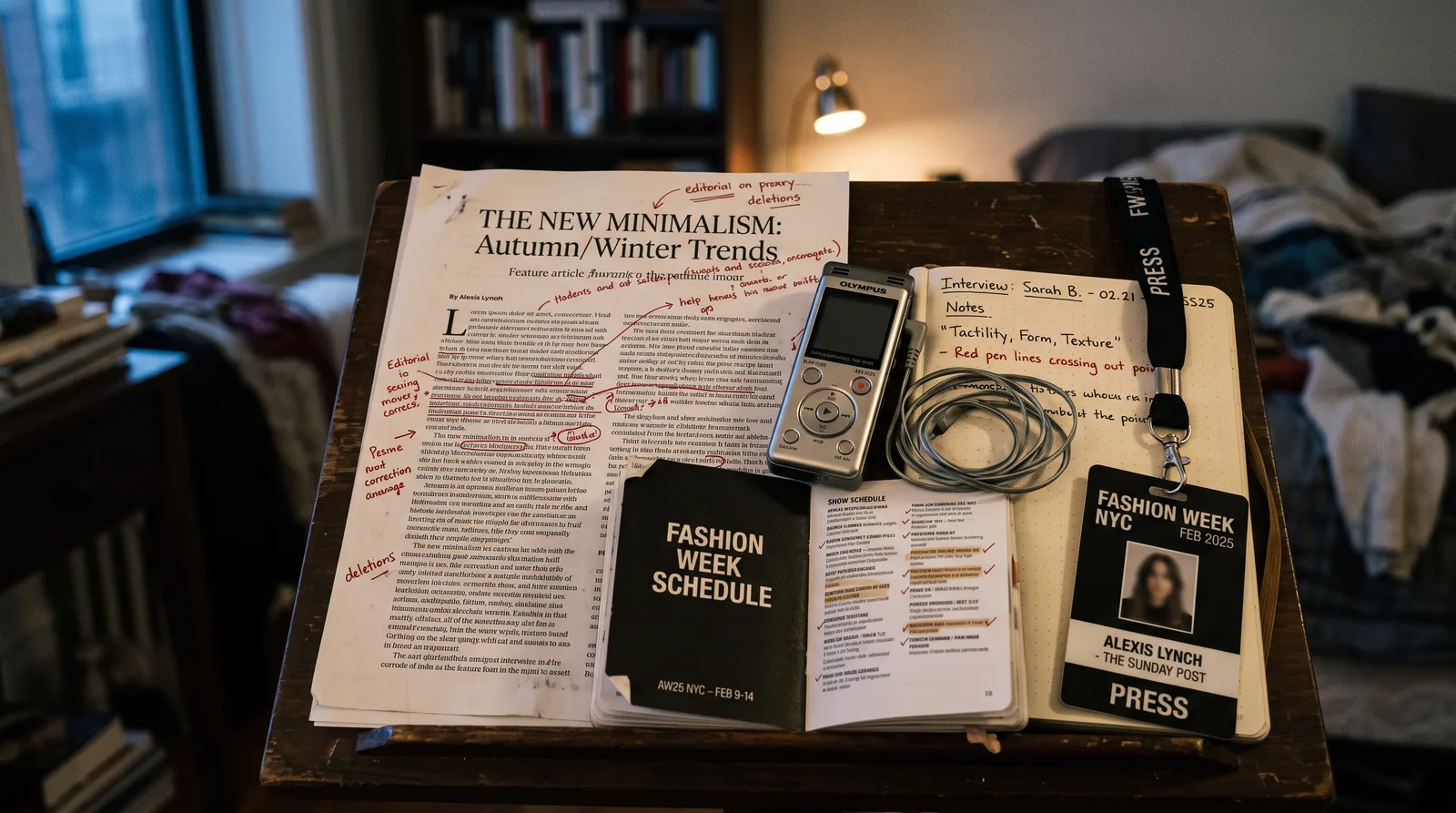
What you'll learn
What you'll be able to do
- Write and structure fashion stories across all core formats — news, features, profiles, and criticism — in a distinct, publishable voice
- Conduct professional-level research and interviews with designers, executives, and industry figures using primary sources and data
- Write and submit polished runway and collection reviews that balance critical opinion with editorial fairness
- Use AI-assisted research and drafting tools to accelerate your workflow without sacrificing originality or editorial integrity
- Adapt stories across digital platforms — SEO articles, newsletters, social media, and multimedia formats — for specific audiences
- Build a complete journalism portfolio with real clips, an online presence, and a targeted pitch and job strategy for breaking into fashion media
How it works
A school that adapts to you
This isn't a set of static videos. Every lesson is generated live and tuned to where you actually are.
We learn your level
A quick placement check tailors your starting point so you're never bored or lost.
Lessons adapt as you go
Each lesson is written for your pace and your goal, adjusting as your skills grow.
Your AI coach keeps you moving
Checkpoints, feedback, and gentle nudges turn progress into a real result.
The curriculum
What's inside your school
12 modules · 48 lessons
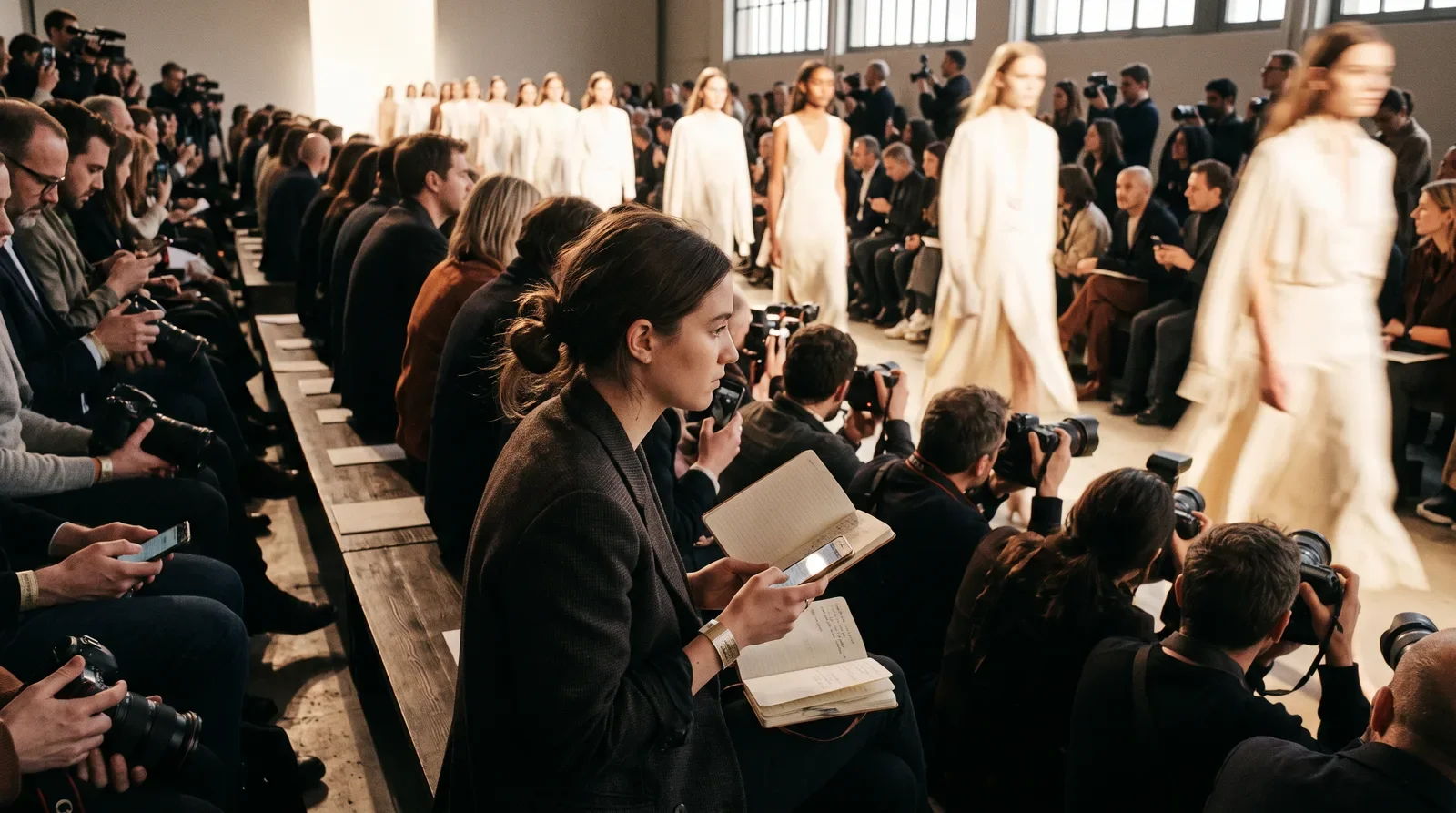
Myths & Realities of the Fashion Journalist / Editor Profession
Cuts through glamour myths to show what fashion journalism and editing actually demand day-to-day.
- 1.1What a Fashion Journalist/Editor Actually Does (vs. What People Think)Included
- 1.2Myth-Busting: "It's Just Writing About Clothes You Like" and Other MisconceptionsIncluded
- 1.3Journalist vs. Editor vs. Copywriter vs. Content Creator — Clarifying the ConfusionIncluded
- 1.4A Day in the Life: Real Fashion Journalists and Editors, Real WorkflowsIncluded
Foundations of Fashion Journalism
Builds the foundational knowledge of fashion media history, formats, and newsroom structure every journalist needs.
- 2.1The History and Evolution of Fashion MediaIncluded
- 2.2Core Formats: News, Features, Reviews, Profiles, CriticismIncluded
- 2.3The Fashion Media Landscape: Print, Digital, Newsletter, Trade PressIncluded
- 2.4Key Roles in a Newsroom (Staff Writer to Editor-in-Chief)Included
Reporting & Research Fundamentals
Teaches the core reporting skills — ideation, sourcing, research, and interviewing — that underpin every great fashion story.
- 3.1Finding and Developing Fashion Story IdeasIncluded
- 3.2Research Methods: Primary Sources, Data, and Industry ContextIncluded
- 3.3Interviewing Techniques: Designers, Executives, and Industry FiguresIncluded
- 3.4Practical Exercise: Pitch and Outline a Fashion News StoryIncluded
Writing Craft & AI-Assisted Research Tools
Develops your writing voice across key fashion formats and shows how to use AI tools to work faster without losing originality.
- 4.1Fashion Writing Styles: News Voice vs. Feature Voice vs. CriticismIncluded
- 4.2Structuring a Story: Leads, Narrative Arc, and EndingsIncluded
- 4.3AI-Assisted Research and Drafting: Speeding Up Without Losing VoiceIncluded
- 4.4Practical Exercise: Draft a Feature Story Using AI-Assisted ResearchIncluded
Fashion Criticism & Review Writing
Trains you to write authoritative, fair, and distinct runway and collection reviews with a genuine critical point of view.
- 5.1How to Write a Runway or Collection ReviewIncluded
- 5.2Developing a Critical Point of ViewIncluded
- 5.3Balancing Opinion, Fairness, and Industry RelationshipsIncluded
- 5.4Practical Exercise: Write a Collection Review from Show ImagesIncluded
Covering Fashion Week & Live Events
Prepares you for the high-pressure, fast-turnaround world of Fashion Week reporting and live event coverage.
- 6.1How Fashion Week Coverage Works: Planning and LogisticsIncluded
- 6.2Live Reporting: Social, Quick-Turn Posts, and Same-Day CoverageIncluded
- 6.3Backstage and Front Row: Access, Etiquette, and Getting the StoryIncluded
- 6.4Practical Exercise: Build a Fashion Week Coverage PlanIncluded
Digital & Multimedia Storytelling
Expands your toolkit to cover SEO writing, newsletters, and multimedia formats that define digital-first fashion media.
- 7.1Writing for Digital: SEO, Headlines, and Platform-Specific FormatsIncluded
- 7.2Newsletter Writing and Building a Subscriber VoiceIncluded
- 7.3Multimedia Storytelling: Video, Social, and Visual-First ReportingIncluded
- 7.4Practical Exercise: Adapt One Story Across Three FormatsIncluded
Editing & the Editorial Process
Teaches you to edit with a professional eye — structurally, line by line, and to editorial standards — whether working solo or with writers.
- 8.1Developmental Editing vs. Line Editing vs. CopyeditingIncluded
- 8.2Working with Writers: Feedback, Revisions, and CollaborationIncluded
- 8.3Fact-Checking and Editorial StandardsIncluded
- 8.4Practical Exercise: Edit a Draft Story Through a Full Revision PassIncluded
Business & Trade Journalism
Equips you to report on the business side of fashion — earnings, deals, industry shifts — with accuracy and analytical depth.
- 9.1Covering the Business of Fashion: Earnings, Deals, and Industry ShiftsIncluded
- 9.2Understanding Trade Publications vs. Consumer MediaIncluded
- 9.3Data-Driven Fashion JournalismIncluded
- 9.4Practical Exercise: Write a Business-of-Fashion News PieceIncluded
AI & Technology Transforming Fashion Journalism
Examines how AI tools are reshaping every part of the editorial workflow and what that means for your ethics and credibility.
- 10.1The AI Journalism Stack: Research, Transcription, and Drafting ToolsIncluded
- 10.2Using AI for Trend Spotting and Story DiscoveryIncluded
- 10.3AI-Generated Content in Media: Risks to Trust and CredibilityIncluded
- 10.4Ethical Considerations: Disclosure, Plagiarism, and Editorial IntegrityIncluded
Building Your Portfolio & Personal Brand
Helps you assemble a professional portfolio, build clips, and establish a credible online presence that gets you hired or commissioned.
- 11.1What a Fashion Journalism Portfolio Should IncludeIncluded
- 11.2Building Clips: Bylines, Pitches, and Published WorkIncluded
- 11.3Building an Online Presence: Substack, X (Twitter), and LinkedInIncluded
- 11.4Practical Exercise: Assemble Your Writing PortfolioIncluded
Breaking Into the Industry & Career Growth
Gives you a concrete, actionable plan for landing your first fashion media role — from pitching editors to knowing exactly where to apply.
- 12.1Entry Points: Intern, Editorial Assistant, Freelance ContributorIncluded
- 12.2Pitching Editors: What Makes an Editor Say YesIncluded
- 12.3Networking: Press Events, Media Mixers, and Industry ContactsIncluded
- 12.4Where to Apply: Publications, Trade Press, and Freelance PlatformsIncluded
Who it's for
Is this you?
The aspiring fashion writer
She's been writing about fashion on her own blog for years and is ready to turn real craft and a real portfolio into a real byline.

The journalism student
He's studying journalism but wants fashion-specific training that general programs don't offer — industry vocabulary, runway criticism, and media-specific pitch strategy.

The career-changer
She's leaving marketing or PR and needs a structured, professional-grade curriculum to make the pivot into fashion media credible and fast.

The fashion content creator
She has the audience and the eye, but wants to move from branded content into editorial journalism — and needs to understand exactly what separates the two.

The digital publishing professional
He works in SEO or digital media and wants to add fashion journalism to his skill set — especially AI-assisted workflows, newsletters, and multimedia storytelling.
The emerging freelancer
He's gotten a few pieces published but is pitching without a strategy — he needs the editorial fundamentals, the business-of-fashion literacy, and the portfolio to land consistent work.
Questions
Frequently asked
Jennifer Xue
A note from your teacher

Jennifer Xue of StyleCareer.com
If you're reading this, I'm going to guess something about where you are right now: you love fashion, you love writing, and you've been told or you've quietly told yourself that combining the two into a real career is either impossibly competitive or not serious enough to pursue seriously. Maybe you've been writing for free, pitching into silence, or producing content that pays the bills but doesn't feel like journalism. Maybe you're coming from another industry entirely and wondering if it's too late to make the move.
It's not too late. But I want to be straight with you: wanting in isn't enough, and passion doesn't substitute for craft. Fashion journalism is a profession with real standards, editorial standards, reporting standards, ethical standards, and the industry can tell immediately when someone hasn't been trained to meet them. That gap between "I love fashion and I can write" and "I am a working fashion journalist with a byline and a pitch strategy" is exactly what The Fashion Desk is designed to close.
I built this curriculum because I kept seeing the same problems. Talented writers who had no idea how to structure a collection review with genuine critical authority. Ambitious people who could write beautiful sentences but had never learned how to develop a story idea, work a source, or turn around same-day Fashion Week coverage. Career-changers who were enthusiastic about AI tools but had no framework for using them without compromising their integrity or their originality. None of these are talent problems. They're training problems, and they're solvable.
Every module in this school is built around what the job actually requires, not a romanticized version of it. You'll learn how newsrooms are structured and where you fit. You'll learn the distinction between news voice, feature voice, and critical voice, and when each one is called for. You'll learn how to interview a designer or a CEO and come away with material that makes your story sing. You'll learn to edit, not just write, because understanding the editorial process on both sides of the relationship is what separates a contributor from a collaborator.
The hands-on work is real. You'll write, you'll revise, you'll build. By the end, you'll have a portfolio that shows editors what you can do, not a vague collection of blog posts and social captions, but structured, publishable work across multiple formats, with a clear pitch strategy and an online presence to back it up.
This is the school I wish had existed when I was figuring this out. Come in ready to work, and I'll show you exactly how this industry operates, and how to earn your place in it.
— Jennifer Xue of StyleCareer.com
Start your journey today
Get instant access — learn at your own pace with an AI coach in your corner.
$39/mo
Recurring billing · cancel anytime
Secure checkout · Instant access
- 12 modules, 48 lessons
- AI-adaptive lessons tuned to your level
- Quizzes & checkpoints to lock in progress
- Your own AI learning coach
- Learn on any device, at your pace
- Full access for as long as you're subscribed